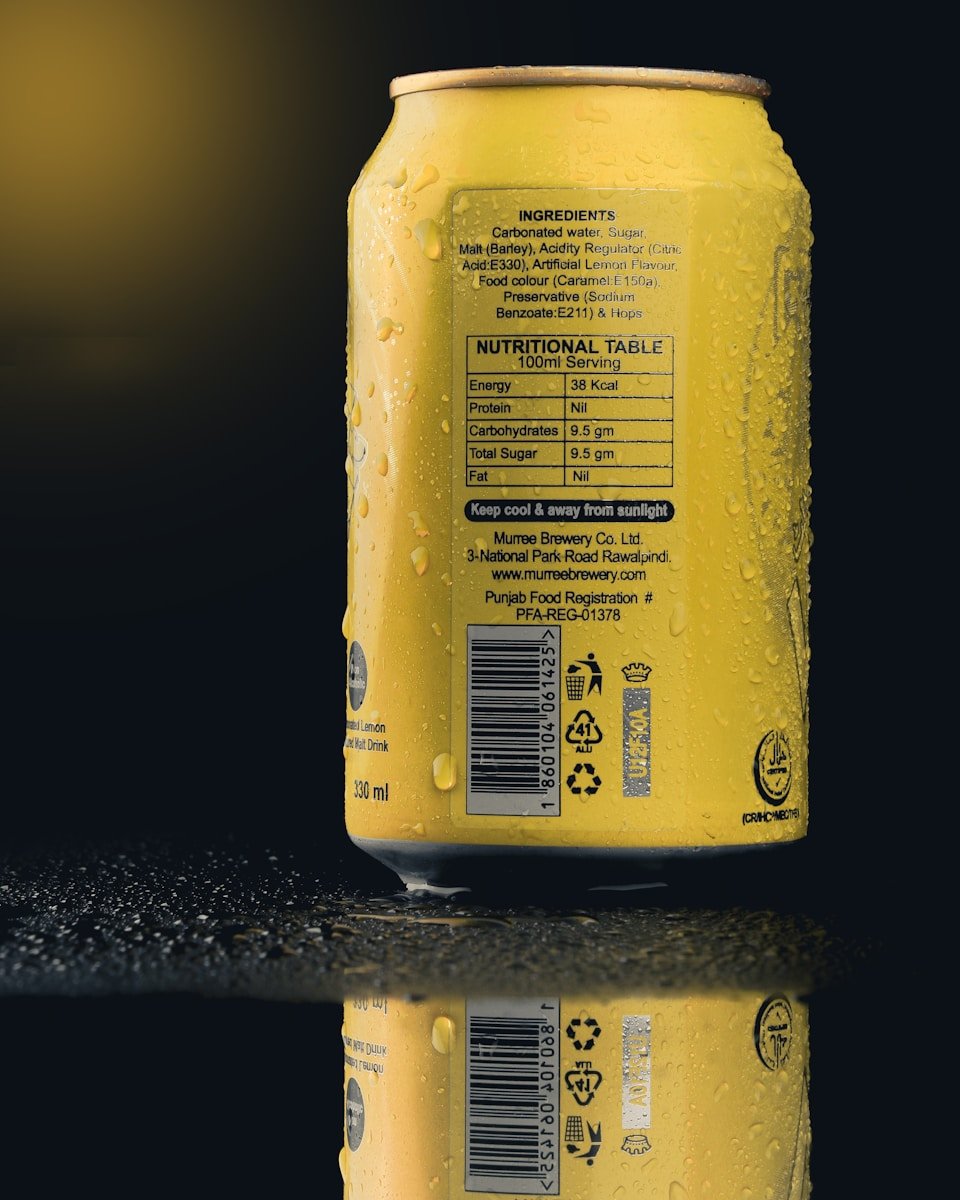
Clean eating is a shopping system, not a punishment. In our aisle-by-aisle label checks, the carts that stayed easiest to cook from had the same pattern: whole foods first, simple packaged backups second, and a fast way to spot hidden sugar, sodium, and allergen risks before checkout.
Clean eating grocery shopping starts with five rules
Clean eating grocery shopping is easiest when every cart starts with whole foods, a quick label scan, and a clear budget. The PreciEat app can speed up that process by turning nutrition facts, ingredients, and allergen checks into a fast decision at the shelf.
- Plan first: Build your list around meals, snacks, and staples before you enter the store.
- Scan labels: Check serving size, added sugars, sodium, and percent Daily Value before you buy.
- Check allergens: Read the ingredient list and the contains statement every time you shop.
- Compare prices: Use unit price, seasonal produce, and store brands to keep clean eating affordable.
- Repeat winners: Save the products that work so your next grocery trip is faster and simpler.
| Rule | Fast test | What it helps you avoid |
|---|---|---|
| Plan the cart | Start with meals and staples | Impulse buys and missing ingredients |
| Read the label | Serving size, added sugars, sodium, %DV | Hidden calories and oversalted foods |
| Check ingredients | Short list, familiar foods, clear allergen source | Unexpected allergens and ultra-processed extras |
| Compare value | Unit price, seasonality, frozen and canned options | Overspending on the same nutrition |
| Keep a repeat list | Save the winners from every trip | Decision fatigue and wasted time |
Rule 1: Build the cart around whole foods
Clean eating works best when the first items in the cart are fruits, vegetables, beans, eggs, fish, plain dairy, nuts, seeds, and minimally processed grains. A cart built this way makes the rest of the shopping trip easier because the packaged items become small supporting parts, not the center of the meal plan.
USDA MyPlate guidance keeps the focus on the five food groups, and that framework is a practical grocery filter for real life. Fresh, frozen, canned, dried, and dehydrated options can all fit clean eating when the ingredient list stays simple and the sodium, sugar, and fat numbers stay reasonable.
- Start at produce: Fill half the cart with fruits and vegetables before anything else.
- Add protein anchors: Choose eggs, fish, chicken, tofu, beans, or plain yogurt for meals that actually hold you over.
- Pick smart grains: Look for oats, brown rice, whole wheat pasta, and other minimally processed staples.
Rule 2: Read the Nutrition Facts label before the price tag wins
Clean eating becomes much easier when the Nutrition Facts label decides the winner before the shelf sticker does. Serving size is the first number to check, because the label is usually based on one serving, and one package can contain more than one serving. FDA guidance also says that 5 percent Daily Value or less is low, while 20 percent Daily Value or more is high.
In practical grocery terms, the fastest wins often come from lower added sugars, lower sodium, and better portion awareness. FDA notes that added sugars can fit into a healthy pattern, but less than 10 percent of daily calories is the common limit in the Dietary Guidelines, and many shoppers are surprised by how fast sweetened yogurt, cereal, sauces, and drinks add up.
- Check serving size: Make sure the listed serving matches the amount you really eat.
- Watch added sugars: Use the 5 percent and 20 percent Daily Value rule to compare products quickly.
- Watch sodium: Packaged and prepared foods account for most dietary sodium, so this line matters more than many shoppers expect.
Quick label habit that saves time
Read the serving size, calories, added sugars, sodium, and ingredient list in that order. That sequence gives you a fast yes-or-no answer without turning grocery shopping into a nutrition research project.
Rule 3: Check ingredients and allergens every single time
Clean eating is not only about calories or macros. FDA allergen rules require the major food allergens to be identified clearly, and sesame is now part of the nine major allergens in the United States. A product that looks clean on the front of the package can still carry an ingredient or cross-contact risk that matters a lot if you are avoiding allergens.
Ingredient lists are especially useful because they show how much processing happened behind the scenes. A shorter list is not automatically better, but a list that you can recognize and explain is usually easier to trust than a list full of vague starches, syrups, and flavor systems.
- Look for source names: Scan for milk, egg, fish, shellfish, tree nuts, peanuts, wheat, soy, and sesame.
- Read the contains line: Do not rely on the front of the package when allergies matter.
- Trust the full list: Ingredients tell you far more than claims like natural, wholesome, or clean.
Rule 4: Buy smart so clean eating stays affordable
Clean eating only works long term when the grocery bill stays realistic. MyPlate shopping tips make the budget part easier by encouraging unit price checks, store brands, seasonal produce, and frozen or canned backups that still deliver strong nutrition without extra waste. The cheapest cart is not always the best cart, but the best cart rarely ignores price.
In our practical store comparisons, the biggest money-savers were simple: buy what is in season, use frozen vegetables when fresh produce is expensive, and choose canned beans or vegetables when the label says low sodium or no salt added. Those choices keep the cart clean while making the weekly budget much less stressful.
- Compare unit price: Use the shelf tag to compare the cost per ounce or per pound.
- Choose frozen often: Frozen fruits and vegetables are picked at peak ripeness and can be a strong value.
- Use store brands: Store brands often deliver the same basic nutrition at a lower price.
Rule 5: Build a repeatable grocery system
Clean eating becomes easy when the grocery trip feels almost automatic. A repeatable system removes decision fatigue, protects your budget, and makes healthy meals more likely on busy weeks. The best system is the one you can repeat on a tired Tuesday, not the one that only works when life is perfectly organized.
PreciEat fits this rule well because fast label scanning can turn a long aisle comparison into a short answer. When the app helps you compare nutrition facts and ingredients side by side, the grocery trip becomes less about guessing and more about choosing the best fit for your goals.
- Keep a master list: Save the foods that always work for breakfast, lunch, dinner, and snacks.
- Shop the same zones: Organize your list by store section so the trip moves faster.
- Reuse the winners: Repeat the products that fit your taste, budget, and nutrition goals.
Clean eating grocery checklist
Clean eating grocery shopping gets easier when you use the same short checklist every week. The checklist below keeps the focus on the decisions that matter most at the shelf.
| Check | Green light | Red flag |
|---|---|---|
| Serving size | Matches the amount you normally eat | The package is multiple servings and you planned for only one |
| Added sugars | Low or moderate for your goal | High sugar in foods that should be simple |
| Sodium | Reasonable for the category | A large share of the label is sodium |
| Ingredients | Short, familiar, and specific | Long list with unclear additives or multiple sweeteners |
| Allergens | No allergens you need to avoid | Hidden source names or unclear contains statement |
Frequently asked questions
Can clean eating include packaged foods?
Yes. Packaged foods can fit clean eating when the ingredient list is straightforward and the Nutrition Facts label stays reasonable for added sugars, sodium, and serving size. The clean eating goal is a smarter pattern, not a ban on every packaged item.
Is frozen produce still clean eating?
Yes. Frozen fruits and vegetables are often a smart clean-eating choice because they are picked at peak ripeness, hold up well in the freezer, and help reduce spoilage. Frozen produce is especially useful when fresh produce is expensive or out of season.
Should I avoid all added sugar?
No. The better goal is to limit added sugar and keep your overall pattern balanced. FDA guidance uses the Nutrition Facts label to help shoppers compare products, and the Dietary Guidelines recommend keeping calories from added sugars to less than 10 percent of total calories.
What should I check first on a label?
Yes, there is a best order. Start with serving size, then check calories, added sugars, sodium, and the ingredient list. That sequence gives you the fastest answer when you are standing in the aisle and trying to decide whether a product fits your clean eating goals.
How do I shop for allergies and clean eating at the same time?
Yes, you can do both. Read the ingredient list and the contains statement every time, and look for the nine major allergens when a product uses alternative names. A clean-eating cart should never ignore an allergy risk just because the front label looks healthy.
Final takeaway
Clean eating grocery shopping is a skill, and the skill gets better with repetition. The five rules that matter most are simple: plan the cart, read the label, check the ingredients, compare price, and keep a repeatable list. Those habits make healthy shopping faster, cheaper, and far less stressful.
For readers who want a faster shelf check, PreciEat can help turn nutrition labels and ingredient lists into a quicker decision before the cart gets full. Data points in this guide are based on FDA Nutrition Facts guidance and USDA MyPlate grocery shopping tips.