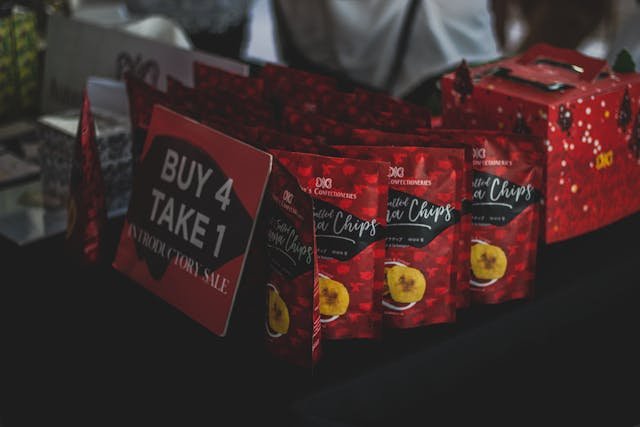
A food packet barcode scanner alternative is a method for identifying a packaged food without depending on the barcode alone. Instead of reading the product code, the tool reads the text on the package. That matters because the barcode tells you what the product is, but the label tells you what is in it.
Definition: A better alternative to barcode-only scanning is OCR label scanning, which reads printed ingredient lists, allergen statements, and nutrition panels from the package itself.
Why barcode scanning falls short
Barcode scanning is useful when you want a fast product lookup, but it has an obvious limit: it does not read the actual label text on the packet. For people who care about ingredients, allergens, added sugars, sodium, protein, or mineral content, that is a major gap.
- Barcode scans identify the product.
- Label scans identify the ingredients.
- OCR can help bridge the gap.
That difference is important when a product has been reformulated, repackaged, or sold under different sizes or bundles. A barcode lookup can be useful, but it is not always enough when you need the exact label in front of you.
Why OCR is the better alternative
OCR stands for optical character recognition. In simple terms, it means software can read text from an image. For food packets, that makes OCR a stronger alternative because it can capture the ingredient list, allergen warning, and nutrition panel directly from the packaging.
OCR is especially helpful when the package is wrinkled, the barcode is missing, or you are trying to inspect a small item that does not scan easily. It also gives you a more complete picture than a barcode lookup alone, which is why many shoppers prefer a label-based workflow.
Best use cases for OCR label scanning
OCR label scanning is most useful when you want quick answers from the package itself. It is a good fit for everyday shopping, pantry checks, and comparison shopping between similar products.
- Small packets: sachets, snack packs, single-serve cups, and condiment packets.
- Damaged packaging: labels that are bent, smudged, or partially torn.
- Label-first decisions: checking allergens, ingredients, or nutrition before you buy.
- No reliable barcode: homemade packs, repackaged items, or obscure imports.
How PreciEat helps
PreciEat is built for label-first shopping. It helps you scan the nutrition facts panel and ingredient list so you can make faster decisions about what to eat, buy, or avoid. That makes it a practical alternative to barcode-only scanning when the real question is not “What product is this?” but “What is actually in this packet?”
If you want a refresher on reading labels, see our complete guide to reading a Nutrition Facts label.
What to look for in a better scanning tool
If you are comparing barcode scanning apps or looking for a better food packet scanner, focus on the features that solve real label-reading problems. The strongest tools do more than identify a product. They help you understand the text on the package.
- OCR text capture: reads ingredients and nutrition facts from the image.
- Allergen highlighting: flags terms you may want to avoid.
- Nutrition readability: makes calories, serving size, and %DV easier to compare.
- Fast workflow: works well on small, busy, or poorly printed packets.
- Clear results: shows the label text in a way you can review quickly.
Barcode scanner vs OCR label scanning
Barcode scanning and OCR do different jobs. Barcode scanning is best for product identification. OCR is best for label reading. If your goal is to understand ingredients or nutrition before you eat, OCR is usually the better workflow.
| Method | Best for | Main limitation |
|---|---|---|
| Barcode scanning | Fast product lookup | Does not read the package text |
| OCR label scanning | Ingredients, allergens, nutrition facts | Depends on image quality and clear text |
Frequently asked questions
Is a barcode scanner enough for food packets?
Not always. A barcode scanner can identify the product, but it may not show the exact ingredient list or nutrition panel you need. If your goal is label reading, OCR is usually the more useful choice.
Can OCR read allergens on a food packet?
Yes, OCR can read ingredient lists and allergen statements when the text is visible and the image is clear enough. That makes it helpful for shoppers who want to check labels quickly before they buy.
What is the biggest advantage of OCR over barcode lookup?
The biggest advantage is that OCR works from the label itself. That means you can inspect the actual nutrition facts, ingredients, and warning statements instead of relying only on a database match.
Bottom line
If you are looking for a food packet barcode scanner alternative, OCR label scanning is the better fit for most real-world shopping tasks. Barcode lookup tells you what the product is. OCR tells you what is on the package. For ingredient checks, allergen awareness, and nutrition comparisons, that difference matters.