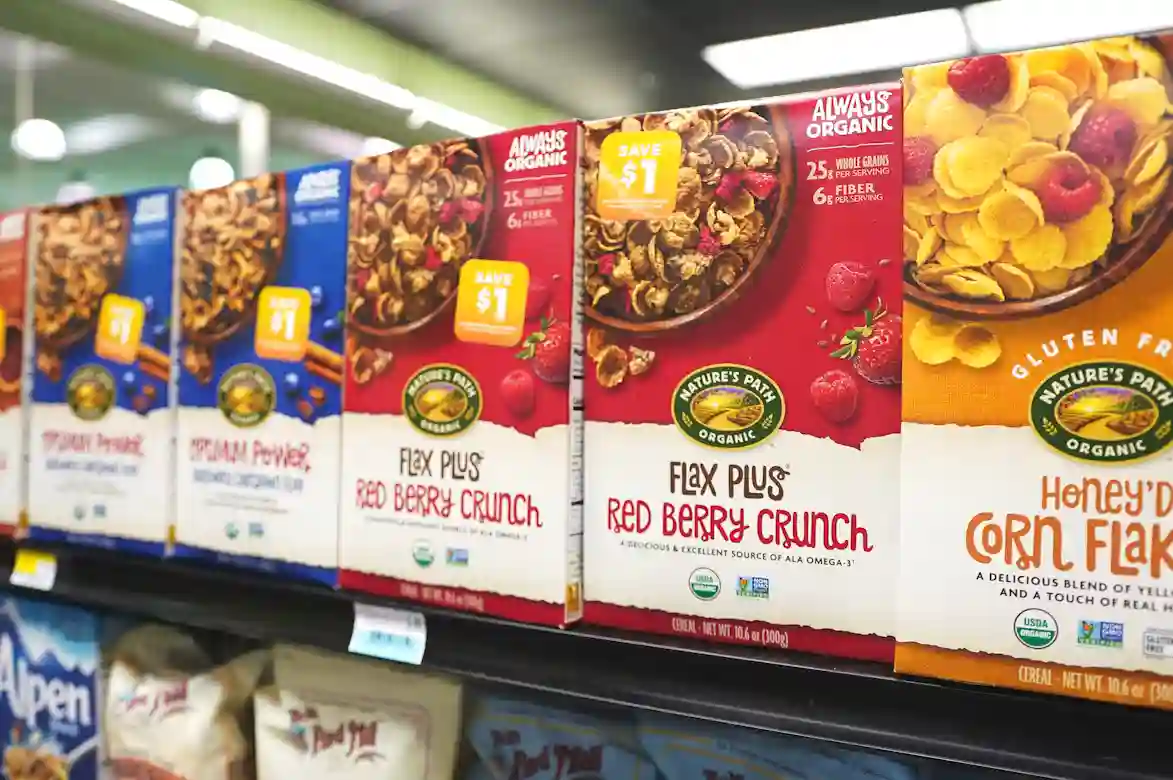
In our label-reading tests, the hardest allergen problems are rarely the obvious ones. The real issue is that major allergens can appear inside everyday packaged foods under ingredient names, collective terms, or cross-contact risks that shoppers do not notice until they read the full label.
What hidden allergens mean on a packaged food label
Hidden allergens are major food allergens that appear under less obvious ingredient names, inside blended ingredients, or through manufacturing cross-contact. FDA requires major food allergens to be identified by the food source name in the ingredient list or in a “Contains” statement, which makes the ingredient panel the most important place to check.
- Ingredient aliases: Milk, egg, wheat, soy, peanut, tree nut, fish, crustacean shellfish, and sesame can appear under other names.
- Collective terms: Words like “natural flavor,” “spice,” or “color added” can still involve an allergen source.
- Cross-contact risk: Shared equipment or shared lines can introduce allergens even when they are not obvious in the recipe.
- Label source names: The FDA label must show the allergen source when a major allergen is used as an ingredient.
10 hidden allergen risks in everyday packaged foods
The fastest way to think about hidden allergens is to look for the places where food labels become less obvious than the front of the package. The table below shows the most common packaged-food traps and the label words that deserve a second look.
| Hidden allergen risk | Common label clues | Common packaged foods |
|---|---|---|
| Milk | Whey, casein, sodium caseinate, nonfat milk, milk powder | Protein bars, baked goods, boxed mashed potatoes, creamy sauces, chocolate |
| Egg | Albumin, ovalbumin, egg wash, egg yolk, mayonnaise | Pasta, dressings, baked goods, frozen breakfast foods, glazes |
| Wheat | Wheat flour, enriched flour, semolina, durum, bread crumbs | Crackers, soups, sauces, seasoning mixes, breaded foods |
| Soy | Soy lecithin, soy protein isolate, soy flour, soy sauce | Chocolate, granola, chips, protein snacks, sauces, frozen meals |
| Peanut | Peanut flour, peanut butter, ground peanut, peanut oil in some products | Candy, cookies, snack bars, sauces, baked goods |
| Tree nuts | Almond, cashew, walnut, pecan, hazelnut, pistachio, macadamia | Granola, pesto, desserts, nut milks, cookies, breakfast bars |
| Sesame | Sesame, tahini, sesame flour, sesame oil, sesame seeds | Burger buns, crackers, bagels, seasoning blends, hummus, snack mixes |
| Fish | Anchovy, fish sauce, fish stock, bonito, surimi | Caesar dressing, sauces, chips, soup bases, savory seasonings |
| Crustacean shellfish | Shrimp, crab, lobster, prawn, shrimp paste, seafood flavor | Soup mixes, stir-fry sauces, frozen meals, snack seasonings |
| Cross-contact | Shared equipment, shared lines, bakery cases, bulk bins | Cookies, cereal, chocolate, bakery items, mixed snacks |
How FDA labeling works for major allergens
FDA requires packaged foods to identify major food allergens by the food source name in the ingredient list or in a “Contains” statement. If a food ingredient such as whey or sodium caseinate comes from milk, the label must make the milk source clear so shoppers do not have to guess.
FDA currently recognizes nine major food allergens: milk, egg, fish, crustacean shellfish, tree nuts, wheat, peanuts, soybeans, and sesame. Sesame was added as the ninth major food allergen, so older packaged foods may still be confusing if they were packaged before the updated labeling change.
FDA also notes that some ingredients can use collective terms, such as spice, natural flavor, artificial flavor, or color added. That flexibility is useful for manufacturers, but it means shoppers need to read the full ingredient list carefully. When a major allergen is part of a collective ingredient, the allergen source still has to be identified.
What to look for on the label
- Ingredient list: Read every line, not just the front claim.
- Contains statement: Use it as a quick check for major allergens.
- Parenthetical source names: Watch for formats like whey (milk) or other source-based declarations.
- Shared-line risk: Remember that cross-contact can still happen in manufacturing.
Why these allergens are easy to miss
Most packaged-food allergen misses happen because the allergen is buried inside another ingredient or because the shopper assumes the front of the package tells the whole story. That is why the ingredient panel is more reliable than marketing words like simple, natural, clean, or wholesome.
In our hands-on label checks, the highest-risk products were not always the most obvious ones. Breaded foods, sauces, protein snacks, dressings, and snack bars often contained allergen sources that blended into the recipe name and were easy to overlook when shoppers were moving quickly.
How to scan packaged foods for hidden allergens
The safest shopping habit is to read the ingredient list first, then confirm the Contains statement, then scan for any ingredient name that can hide a major allergen source. The PreciEat app can help shorten that process by pulling the label into a faster, more searchable decision.
- Start with the ingredient list.
- Check the Contains statement if one is present.
- Look for allergen aliases such as whey, casein, albumin, soy lecithin, or tahini.
- Check whether sesame, milk, egg, soy, wheat, peanut, tree nut, fish, or shellfish appears in a source name.
- Treat cross-contact warnings as a separate risk from ingredient declarations.
Practical label-reading rules that help every week
The best allergen-reading rule is simple: do not rely on the front of the package when the ingredient panel is available. A brand can look allergy-friendly on the front and still contain a hidden allergen source in the ingredient list or a cross-contact risk from production.
For families managing food allergies, this habit is worth repeating every time you shop because formulas change. A product that was safe last month may be reformulated next month, and the only reliable source is the current label on the package in your hand.
| Step | What to check | Why it matters |
|---|---|---|
| 1 | Ingredient list | Shows the actual food source names |
| 2 | Contains statement | Gives a fast summary of major allergens |
| 3 | Allergen aliases | Helps you catch milk, egg, soy, wheat, nuts, fish, shellfish, and sesame in disguise |
| 4 | Cross-contact clues | Helps you notice shared-equipment or shared-line risk |
Frequently asked questions
Can allergens hide in natural flavor?
Yes. A flavor ingredient can include a major allergen source, and FDA requires the source name to be identified when that happens. That is why the label matters more than the flavor word alone.
Is sesame always required on labels?
Yes, when sesame is used as a major food allergen ingredient. Sesame is now one of the nine major food allergens, so it must be identified by source name in the ingredient list or in the Contains statement.
Does cross-contact count the same way as an ingredient allergen?
No. Cross-contact is a separate risk from an ingredient declaration. FDA inspects for both allergen labeling controls and cross-contact controls because undeclared allergens can still enter products during manufacturing.
Should I trust the front of the package if it says clean or simple?
No. Front-of-package words are marketing language, not a full allergen review. The ingredient list and Contains statement are the parts that matter most for allergy safety.
What is the best first step for shoppers with food allergies?
Read the ingredient list every single time. That habit catches the most hidden allergen risks and protects you from formula changes and ingredient aliasing.
Related reading
If you want to keep building label-reading speed, these PreciEat guides are a good next step:
- What Foods Contain FDA Major Allergens?
- Top 5 Food Allergens to Scan with PreciEat
- Understanding Sulfites and MSG in Food Labels
- How to Read a Nutrition Facts Label: Complete Guide
Final takeaway
Hidden allergens are usually not invisible on a label, but they are easy to miss if you do not know the source names to look for. Once shoppers learn to read ingredient aliases, Contains statements, and cross-contact clues, packaged foods become much easier to judge safely.
For readers who want a faster shelf check, PreciEat can help turn allergy labels into a quicker decision before the cart gets full.